San Diego County
Air Pollution
Control District
-
Air Quality Forecast -
AQ Forecast by Site -
About

Tijuana River Valley
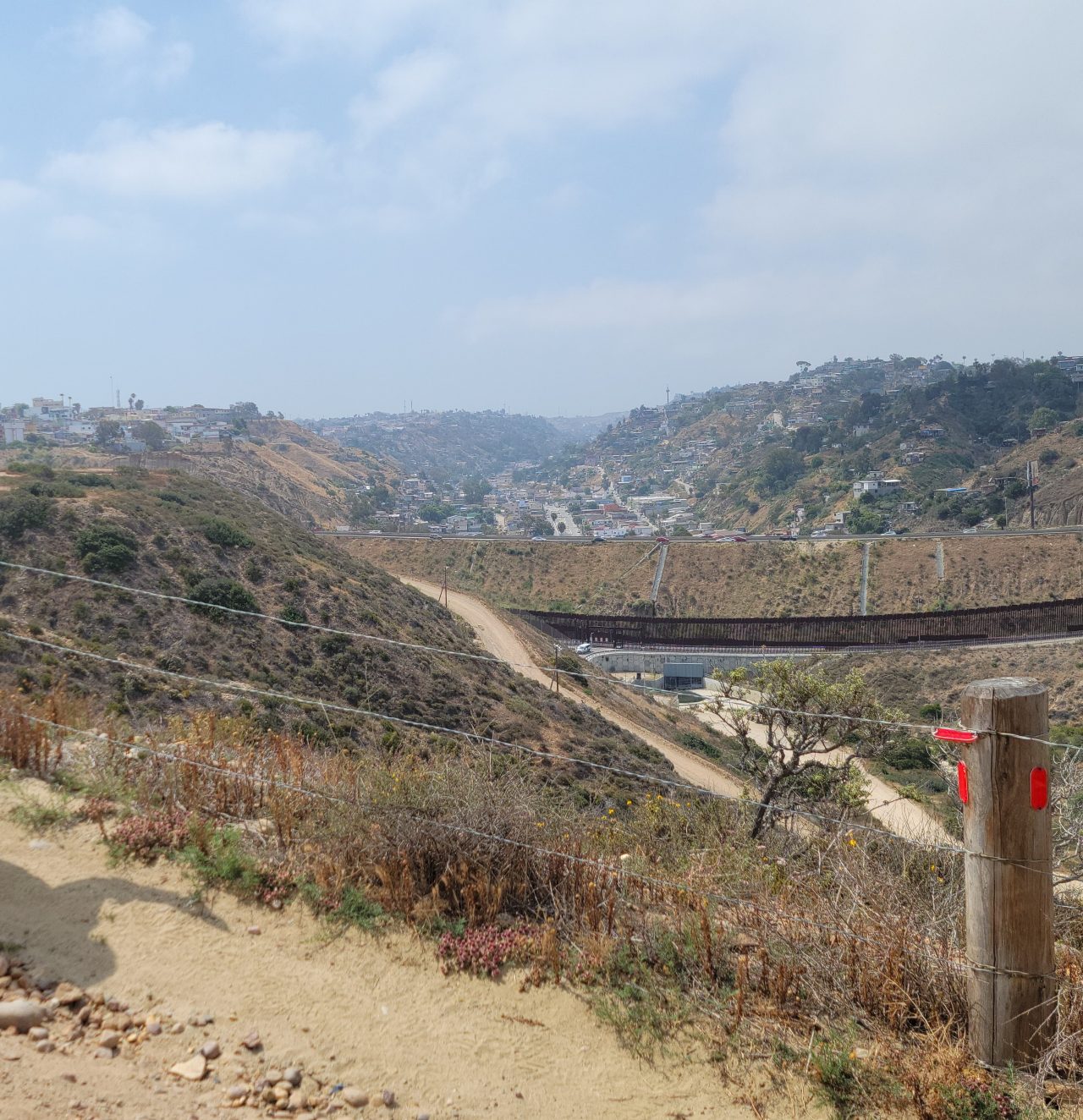
We are working to respond to air quality impacts related to the Tijuana River Valley crisis and support affected residents. This page provides information and helpful resources.
The Tijuana River Valley crisis is driven by aging infrastructure and ongoing transboundary sewage flows from Mexico into the United States. These conditions have resulted in untreated wastewater generating strong odors that significantly affect the quality of life for South Bay residents. These odors are primarily caused by hydrogen sulfide (H2S), a colorless gas with a pungent smell similar to rotten eggs. More information is available on the Hydrogen Sulfide Monitoring webpage.
SDAPCD Actions
SDAPCD has taken multiple actions to help address air quality impacts, while long term solutions are implemented. Below are some of the ways in which SDAPCD has been working to protect residents and uphold its vision of Clean Air For All. For additional information regarding each action, click the action title.
Hydrogen Sulfide Monitoring - SDAPCD is monitoring Hydrogen Sulfide (H2S) levels and issuing H2S Air Quality Advisories when concentrations rise to levels that may affect public health. This allows residents to take steps outlined in the Community Hydrogen Sulfide Guidance to protect themselves. Subscribe to receive H2S Air Quality Alerts here.
Air Improvement Relief Effort - Eligible households received a free air purifier to help improve odors and reduce exposure to H2S inside their homes. The air purifiers are compliant with California Air Resources Board standards and are equipped with potassium permanganate, a compound that reduces H2S in the air.
Odor Investigations - SDAPCD has been responding to thousands of odor complaints from South Bay residents. As a result of this investigation, Notices of Violation (NOVs) have been issued to the U.S. International Boundary and Water Commission (IBWC) and its contractor, Veolia, alleging violations of SDAPCD Rule 51 and state laws which prohibit public nuisance.
Multi-Agency Collaboration
The Tijuana River Valley crisis requires collaboration among local, state, and federal governments. Below you’ll find additional details and helpful resources provided by the agencies responding to this crisis.
San Diego County Air Pollution Control District (SDAPCD) - Monitors air quality in San Diego County and regulates stationary sources of air pollution to meet federal and state air quality standards, laws, and regulations.
California Air Resources Board (CARB) - Provides technical assistance and guidance on air monitoring and air filtration for hydrogen sulfide and other harmful emissions.
U.S. Environmental Protection Agency (EPA) – Air Division - Provides technical guidance on regional and community-scale air quality monitoring.
US EPA Superfund Emergency Management Division - Available to respond as necessary to provide monitoring data and serve as a force-multiplier for emergency response efforts.
County of San Diego Health and Human Services Agency - Monitors and analyzes health data, investigates health concerns, provides education and outreach for prevention of disease, and provides public health recommendations based on air and water quality monitoring.
California Department of Public Health & US Center for Disease Control - Provides health impact research, technical advice, and resources for public health initiatives related to waterborne diseases and air quality concerns.
U.S. Section International Boundary and Water Commission (IBWC) - Runs the South Bay International Wastewater Treatment Plant and coordinates with the Mexican Section IBWC to eliminate untreated transboundary flows.
US EPA – Water Division - Provides funding and oversight for wastewater infrastructure projects to further reduce cross-border flows into the U.S. Shares data and research findings to inform decision-making and policy development.
San Diego Regional Water Quality Control Board (SDRWQCB) - Regulates water quality and protects the beneficial uses of the Tijuana River, Estuary, and coastal waters through permits and requires monitoring of water quality. Leads the Tijuana River Valley Recovery Team and coordinates state, local, and federal efforts to mitigate impacts of cross-border pollution.
San Diego County Department of Environmental Health and Quality (DEHQ) - Monitors beach and bay water quality daily and issues water contact closures and advisories to inform, educate, and protect the public.