

International Border Community
International Border Community Steering Committee
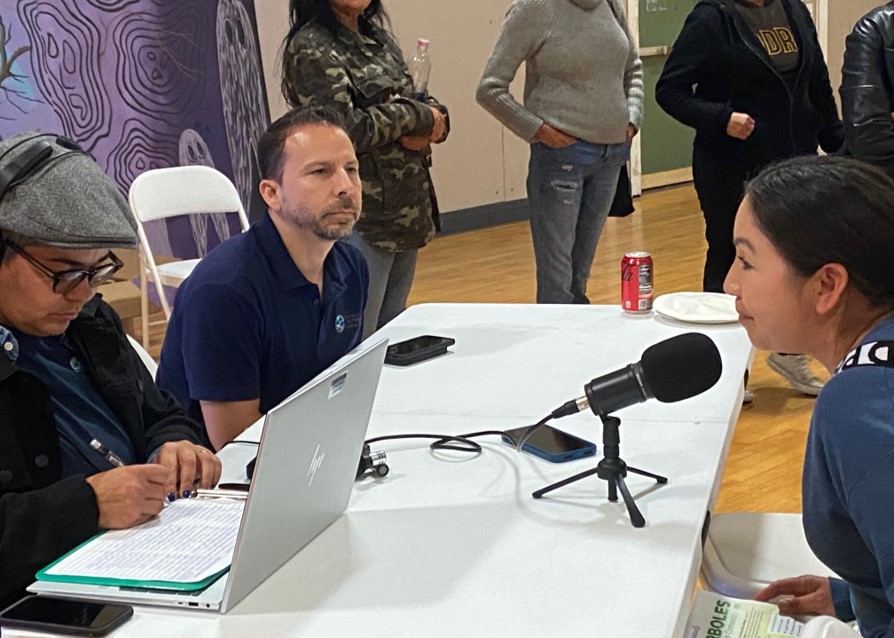
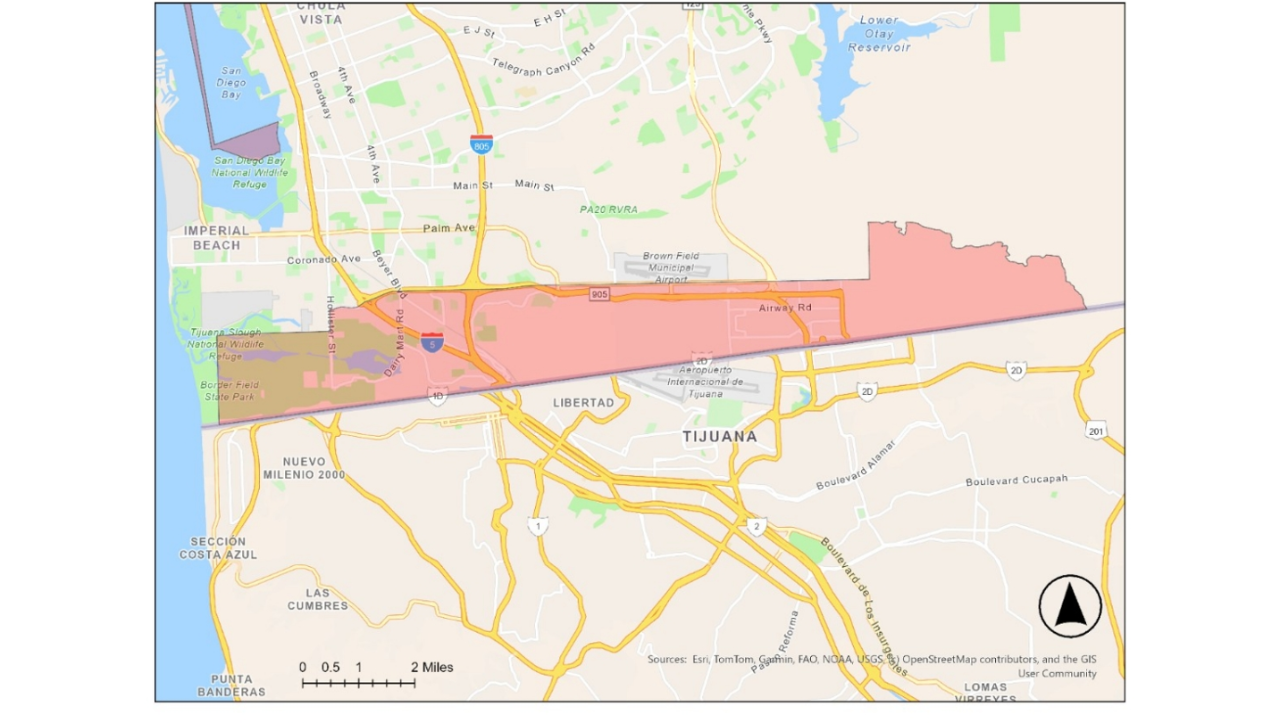
Led by the Office of Environmental Justice (OEJ), the Community Air Protection Program (CAPP) designated International Border Community encompasses parts of San Ysidro and Otay Mesa East. It was nominated and became part of the Community Air Protection Program (CAPP) by the California Air Resources Board (CARB) in 2022. The International Border Community Steering Committee is a community-led effort that partners stakeholders: residents, advocates, local organizations, members of government agencies and local industry, to improve air quality and protect health.
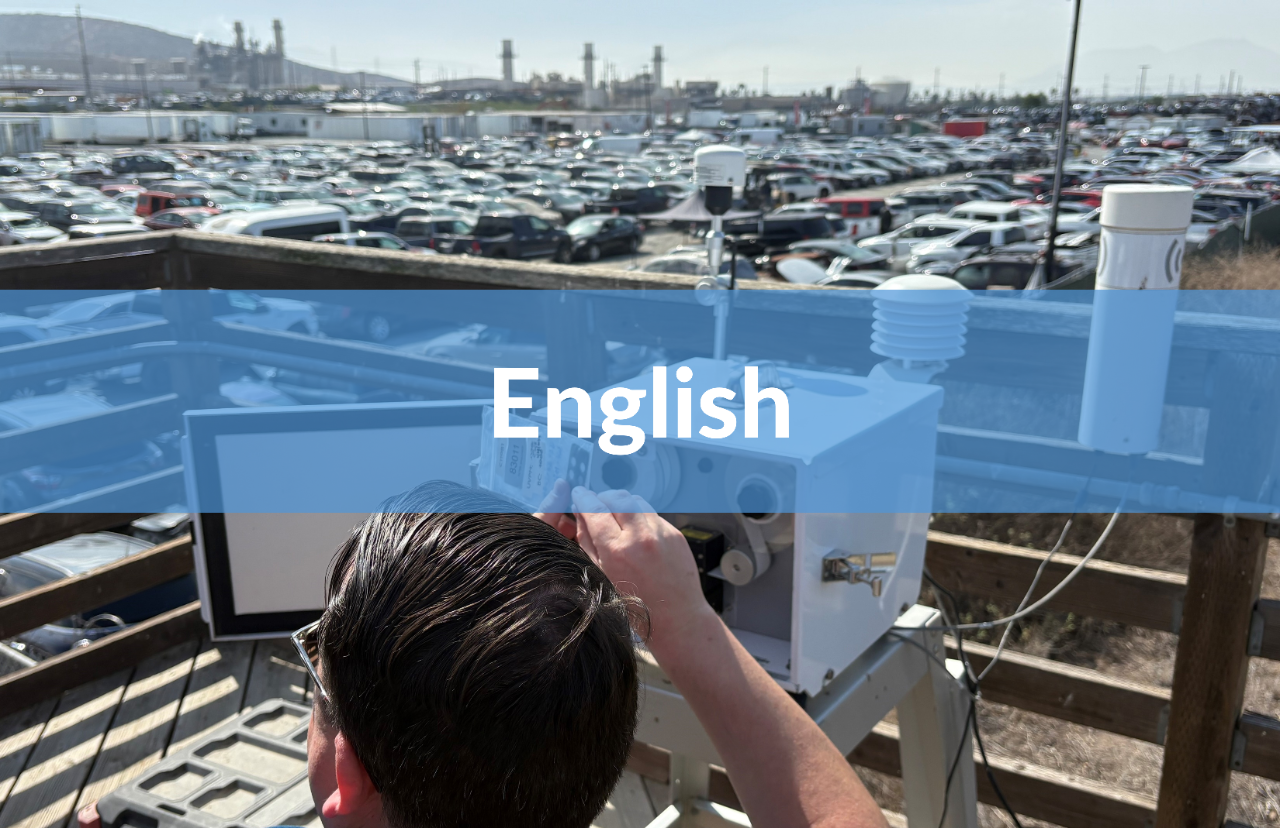
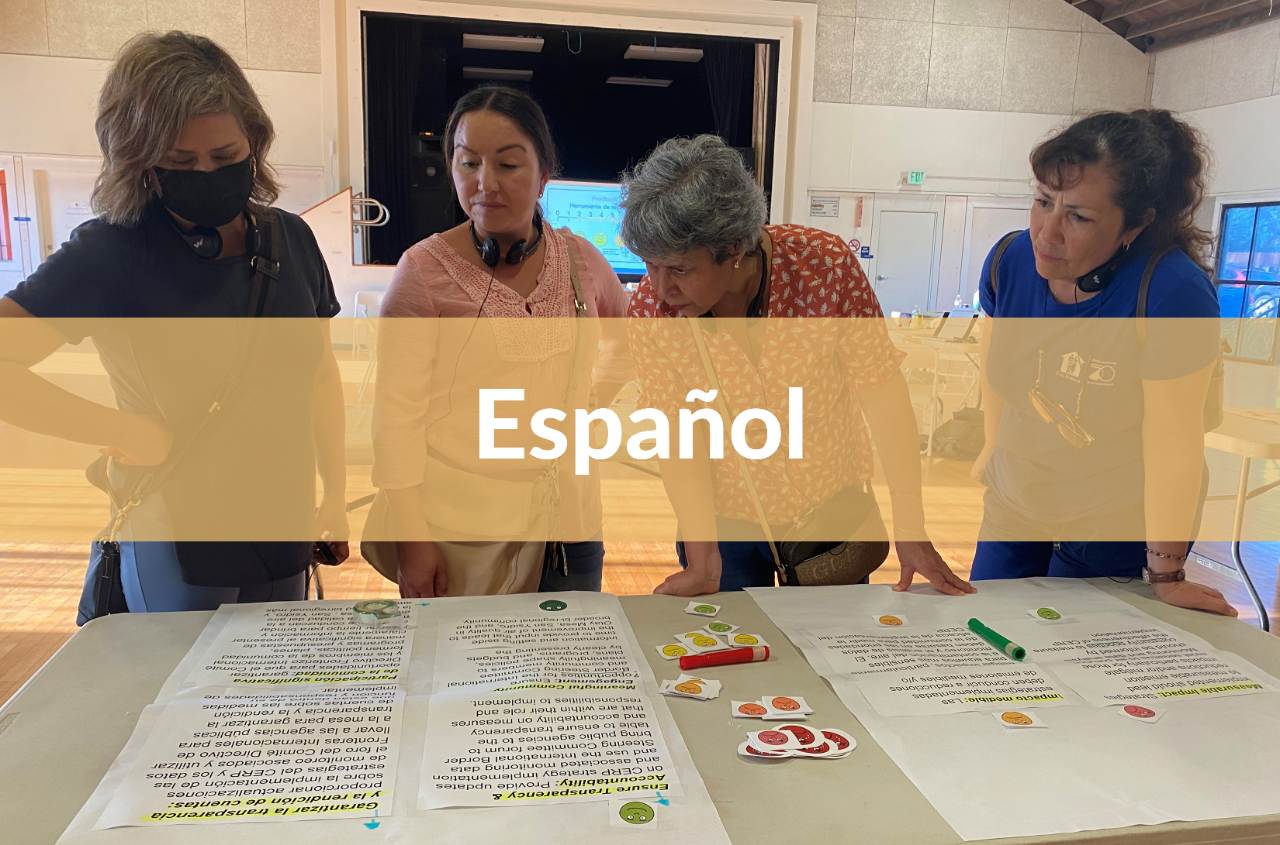
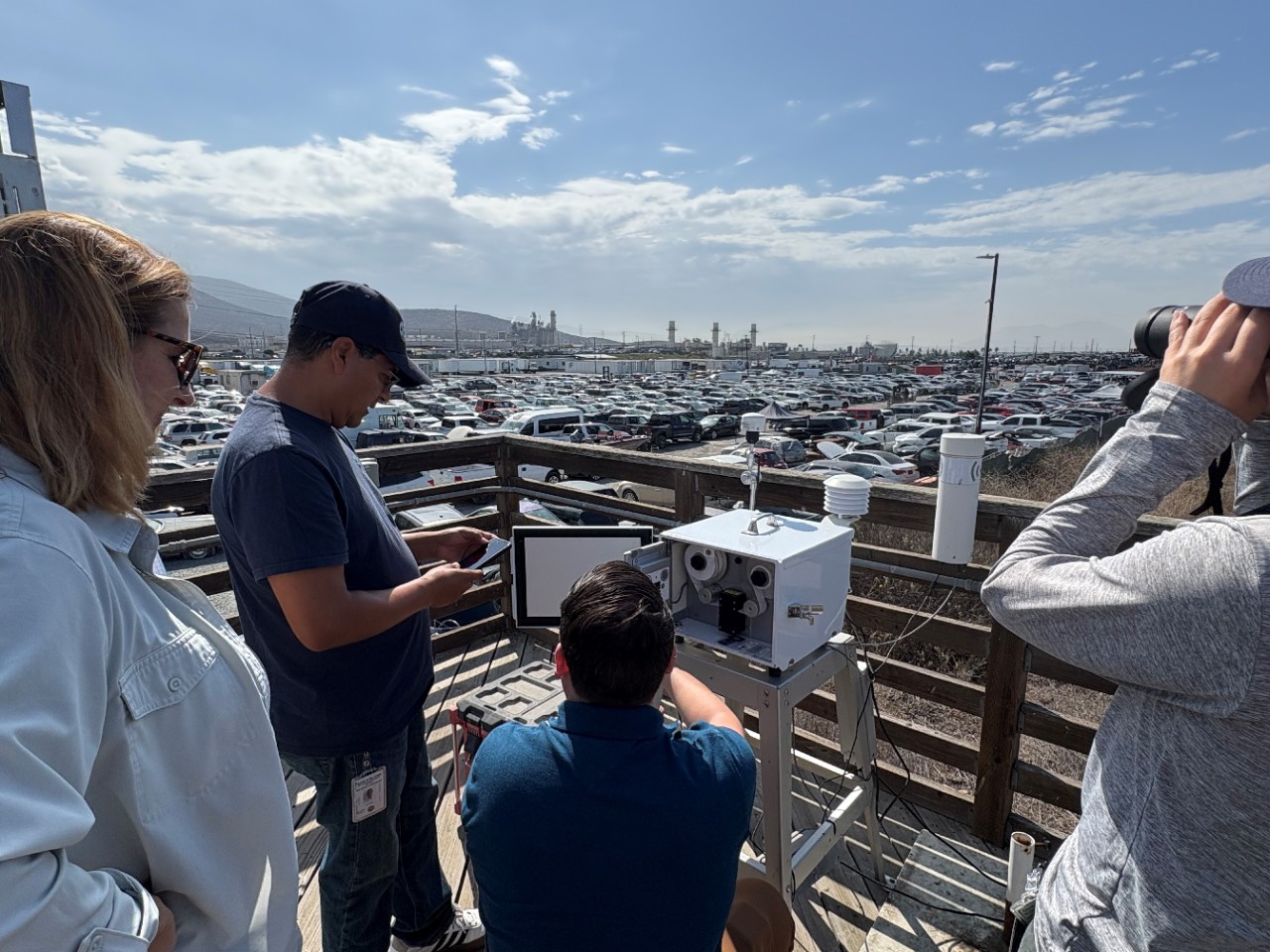
The International Border’s Community Air Monitoring Plan (CAMP) and Community Emissions Reduction Plan (CERP) were created in partnership with residents to ensure solutions reflect local priorities and ensure progress is being made. The CERP uses data, along with community input, to identify air quality priorities and actions that reduce air pollution and improve public health. The CAMP outlines where air quality monitors will be located, what type of air pollution will be monitored, and how air pollution will be measured to better understand local air quality concerns and track progress of community-supported strategies.

Join the International Border Community Steering Committee. If you are an interested International Border Community member, return this form to apcdoutreach@sdapcd.org.
International Border Steering Committee Meetings
The Community Steering Committee meets the third Wednesday of every
other month from 5-7PM. Meetings are held remotely via Zoom, except
once a quarter when we meet in person.
- 01/21/26 (In-person, San Ysidro)
- 03/18/26 (Virtual via Zoom)
- 04/21/26 (5-6PM, Virtual via Zoom)
- 05/20/26 (In-person, San Ysidro)
- 07/15/25 (Virtual via Zoom)
- 09/16/26 (In-person, San Ysidro)
- 11/18/26 (Virtual via Zoom)
About the International Border Community
Bordering Tijuana, Mexico and located on unceded Kumeyaay land, San Ysidro and Otay Mesa East form a unique tri‑national region where culture, food, art, commerce, and family ties cross borders every day. The community’s strong Mexican heritage shapes local life and its attractions, including the San Ysidro Port of Entry, neighborhood art spaces, and the Tijuana River National Estuarine Research Reserve.
Years of planning that prioritized vehicle traffic and commercial flow have created significant environmental and public health challenges. The San Ysidro Port of Entry is the busiest land border crossing in the world, with about 70,000 northbound vehicles and 20,000 pedestrians each day. Constant idling and heavy congestion next to residential areas have made San Ysidro one of the most pollution‑burdened communities in California. According to CalEnviroScreen, it ranks in the 100th percentile for traffic‑related impacts, higher than any other area in the state.
Transboundary sewage flows and insufficient wastewater treatment on both sides of the border have intensified the crisis, harming air, water, and soil quality. Strong odors from untreated wastewater affect the daily lives of South Bay residents. Community‑led efforts focus on protecting public health and reducing pollution from vehicles, rail operations, and cross‑border sources such as odors from the Tijuana River and trash burning.
Community Air Quality Priorities
The following list highlights some of the air quality priorities identified by the Community Steering Committee: (Note, it is not an exhaustive list of community-identified air quality priorities.)
- Actions that protect children, elderly, chronically ill, and other groups that are vulnerable to air pollution.
- Idling cars at the ports of entry.
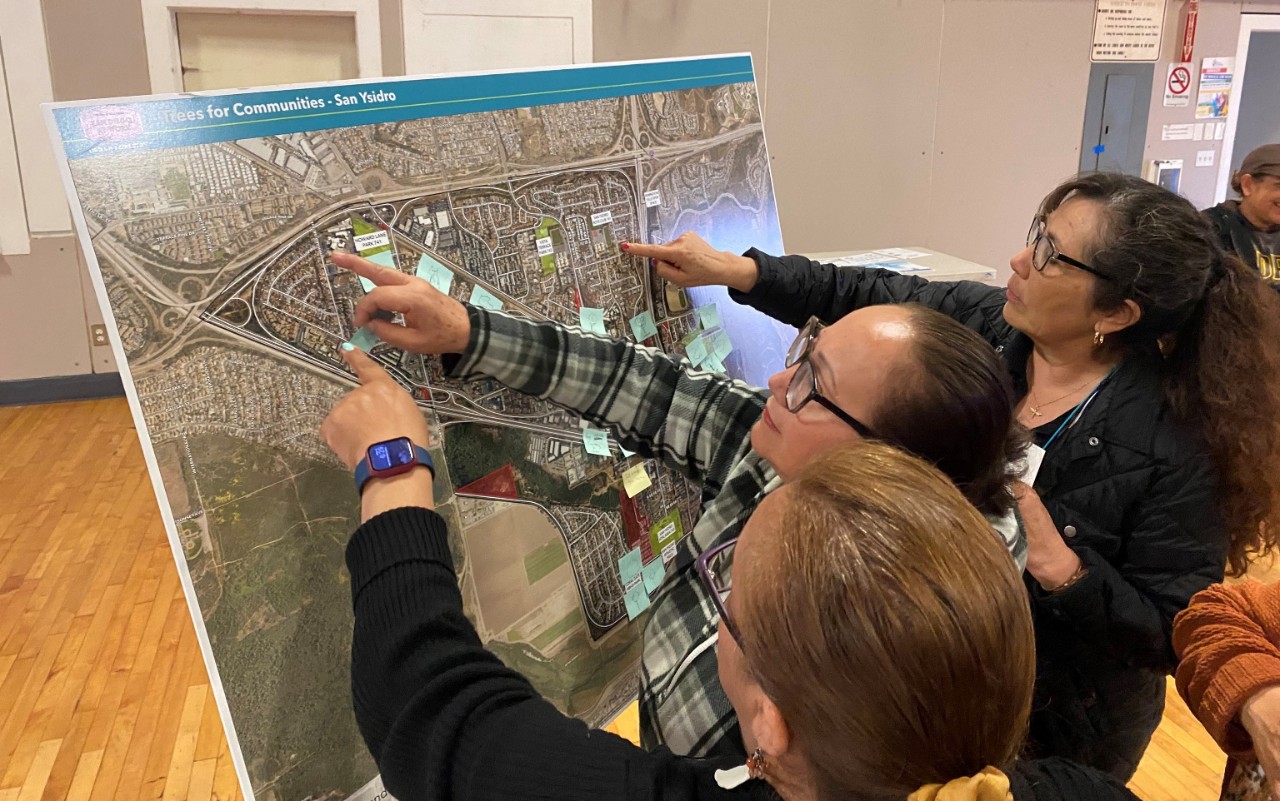
- Traffic circulation near or around Las Americas Premium Outlets, Dairy Mart Rd., Calle Primera, Willow Rd., Camino De La Plaza, East San Ysidro Blvd., and more.
- Idling heavy duty trucks at the port of entry.
- Operations at warehouses, including current and proposed expansions.
- Current and future impacts to people living in new housing developments near freeways and warehouses, especially along California State Route 905.
- Dust and exhaust from Border Patrol ATVs and vehicles operating on the west side of San Ysidro. Emissions from freight trains going through the heart of San Ysidro.
- Pollution from both Brown Field Municipal Airport in Otay Mesa and Aeropuerto Abelardo L. Rodriguez in Tijuana.
- Odor from the Tijuana River caused by untreated sewage flowing from Tijuana.
- Trash and other items being burned in Tijuana.
- Industrial-related emissions coming from Tijuana.