

Portside Community
Portside Community Steering Committee
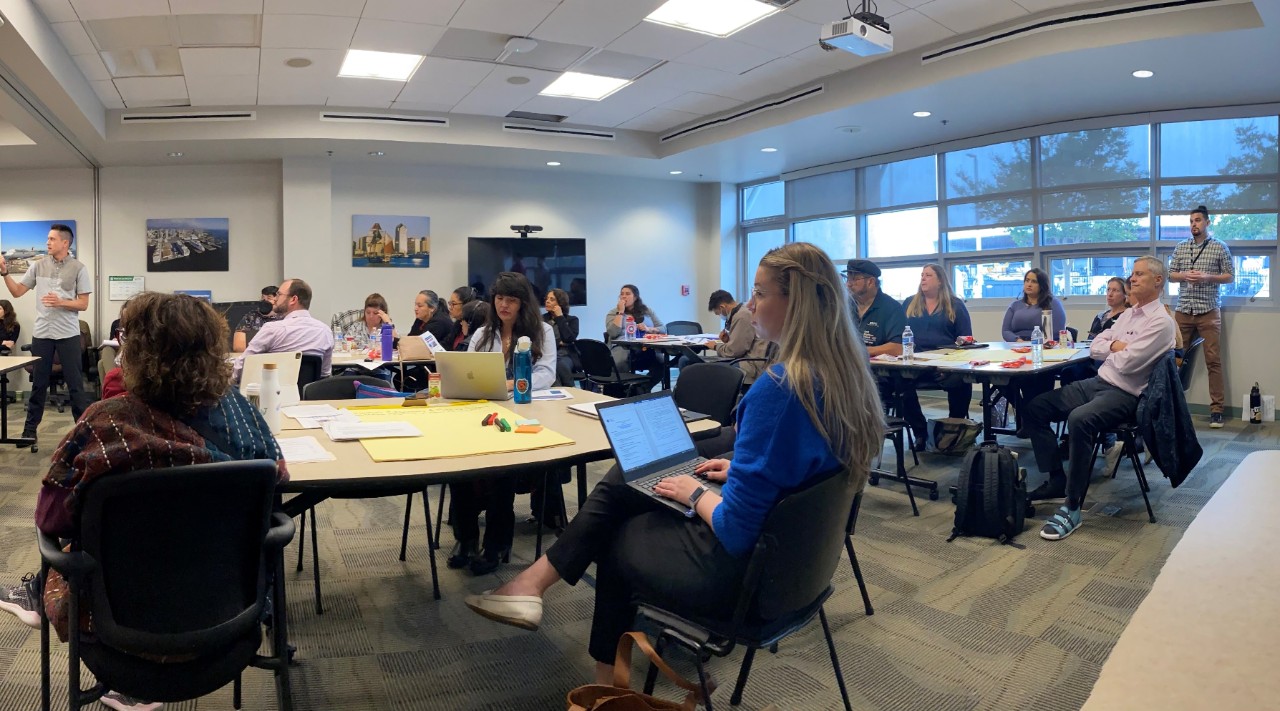
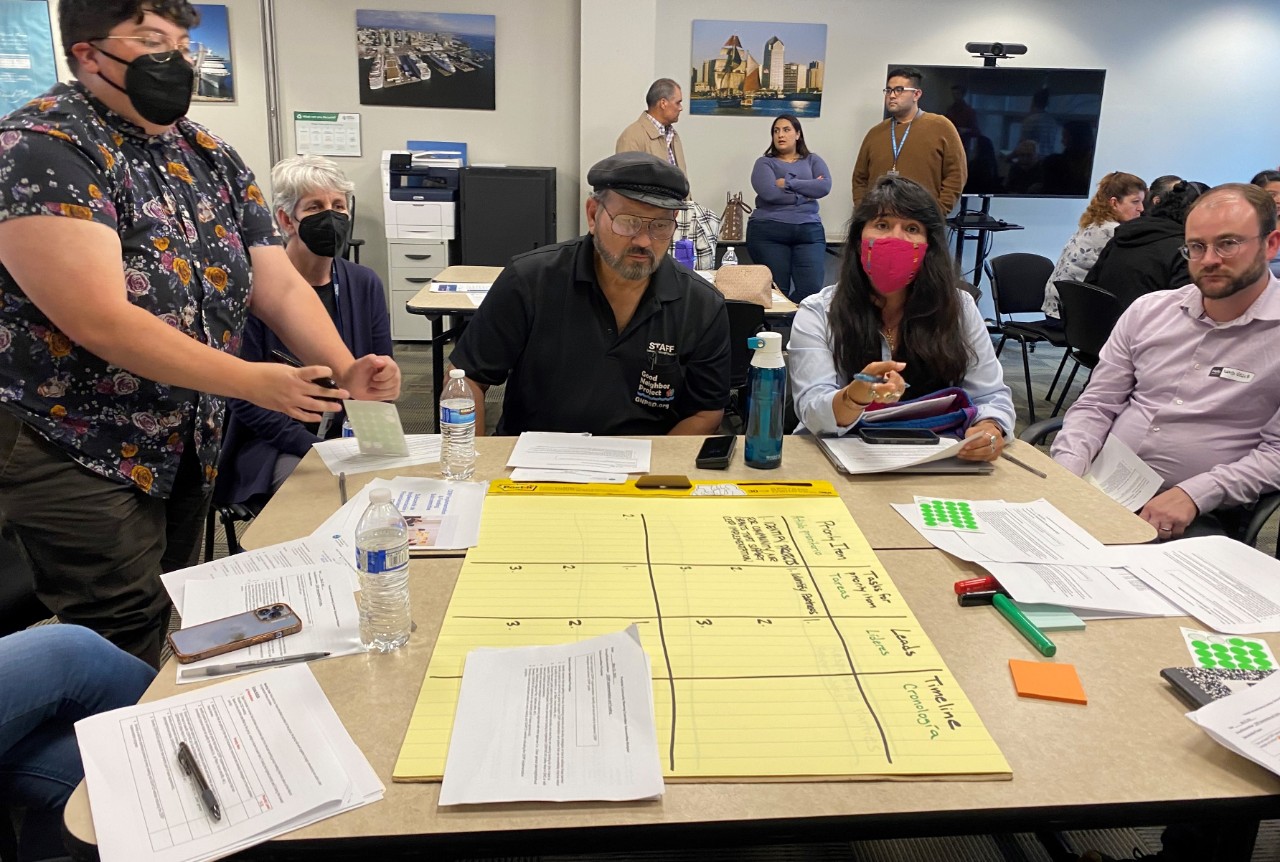
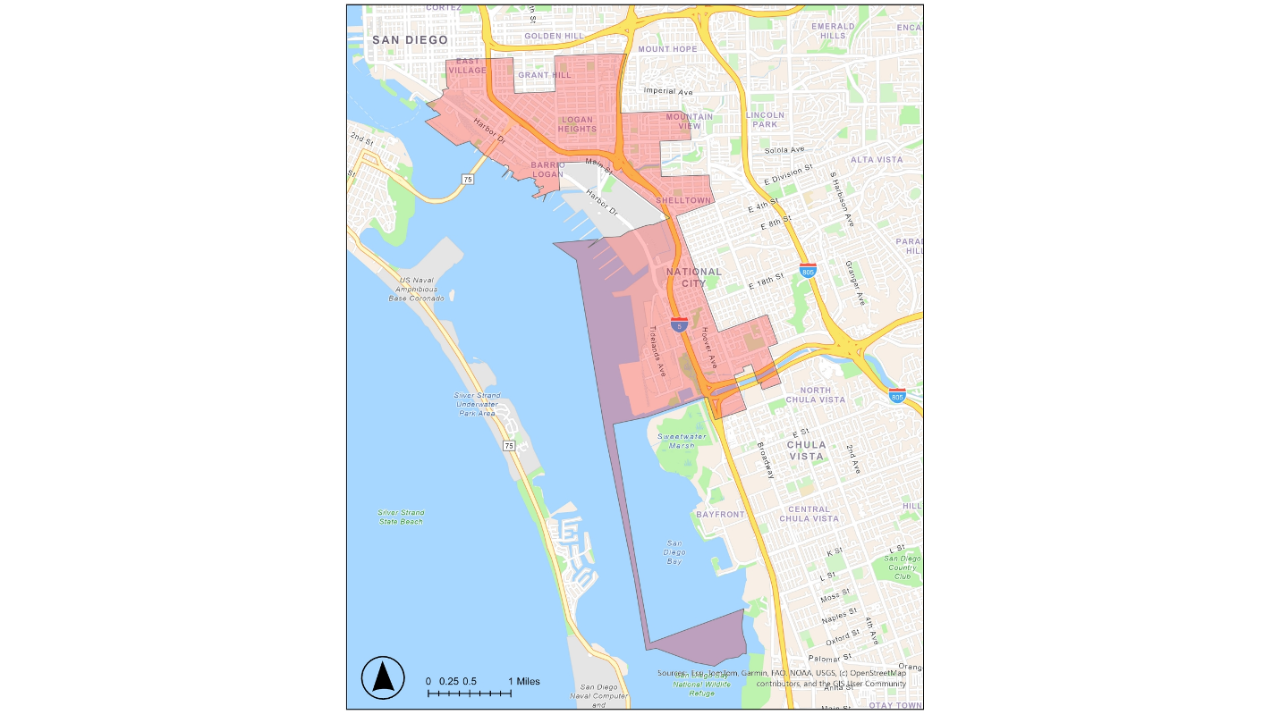
Led by the Office of Environmental Justice (OEJ), the Community Air Protection Program (CAPP) designated Portside Environmental Justice Community encompasses Barrio Logan, Logan Heights, Sherman Heights, and the westside of National City. The Portside Community Steering Committee is a community-led effort that partners stakeholders: residents, advocates, local organizations, government agencies and local industry, to improve air quality and protect health.
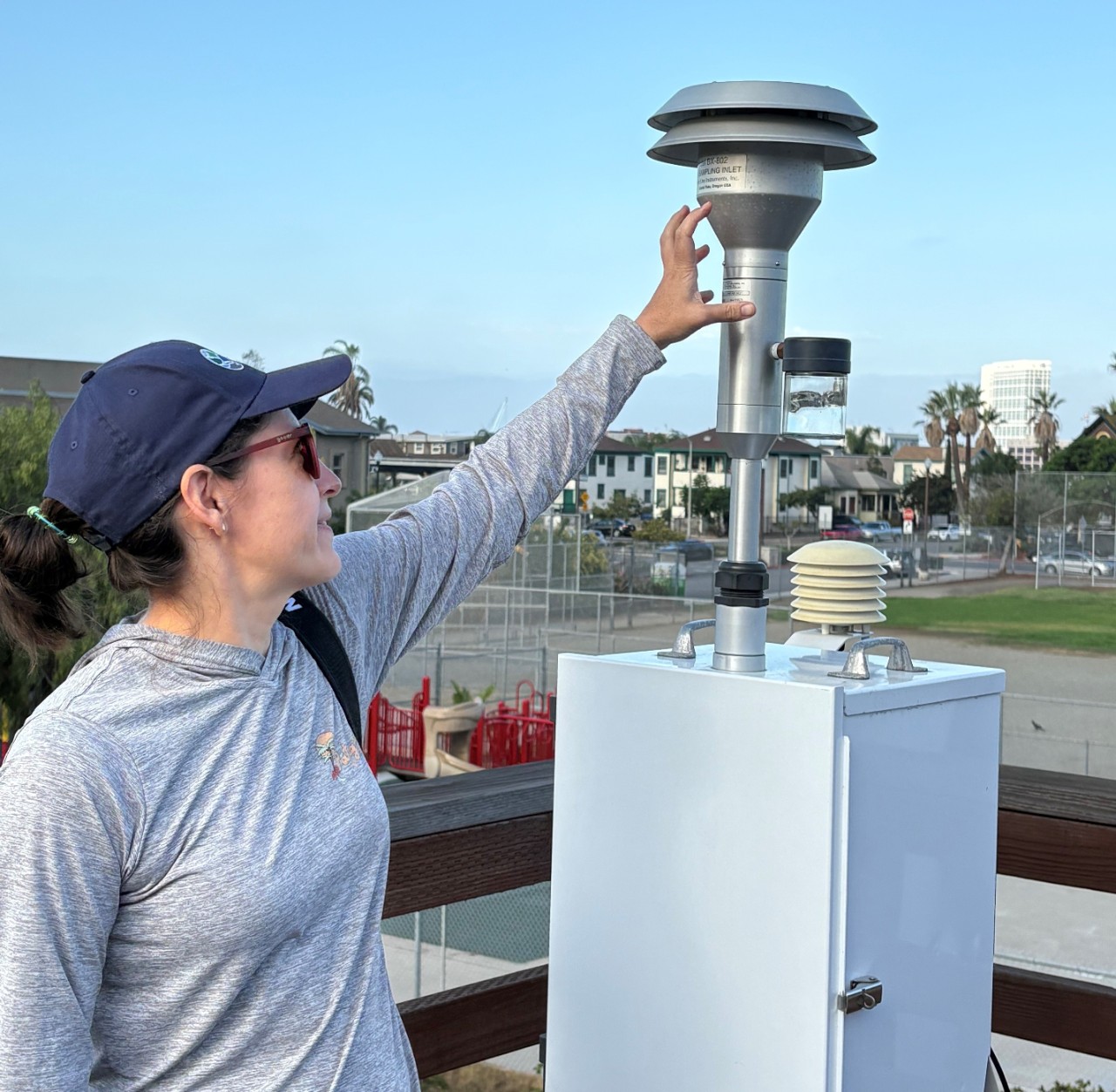
The Portside’s Community Air Monitoring Plan (CAMP) and Community Emissions Reduction Plan (CERP) were created in partnership with residents to ensure solutions reflect local priorities and ensure progress is being made. The CERP uses data, along with community input, to identify air quality priorities and actions that reduce air pollution and improve public health. The CAMP outlines where air quality monitors will be located, what type of air pollution will be monitored, and how air pollution will be measured to better understand local air quality concerns and track progress of community-supported strategies.
Apply to join the Portside Community Steering Committee. Complete and return this form to apcdoutreach@sdapcd.org.
Portside Steering Committee Meetings
The
Community Steering Committee meets every two months on the fourth
Tuesday of the month from 5-7PM. Meetings are held remotely via Zoom,
except once a quarter when we meet in person.
- 01/27/26 (Virtual via Zoom)
- 03/24/26 (Virtual via Zoom)
- 05/26/26 (In-person, National City)
- 07/28/26 (Virtual via Zoom)
- 09/22/26 (In-person), National City
- 11/17/26 (Virtual via Zoom)
About the Portside Community
Located on unceded Kumeyaay territory, the Portside Community—including Barrio Logan, Logan Heights, Sherman Heights, and West National City—are among the oldest and most culturally rich neighborhoods in San Diego County. These neighborhoods are known for their strong community activism, vibrant traditions, and world-renowned art, including Chicano Park, a National Historic Landmark celebrated for its murals and its powerful message of resilience and cultural pride. West National City, with its deep Latino and Filipino heritage, is home to treasured community spaces such as Paradise Creek Educational Park and Pepper Park along the bay. Together, the Portside neighborhoods reflect generations of families, culture, and community spirit that have shaped the social and cultural heart of San Diego.
Despite their cultural strength, the Portside Community's neighborhoods have long faced some of the highest levels of air pollution in the region. Surrounded by freeways, rail lines, port operations, industrial facilities, and heavy truck traffic, residents are exposed to multiple pollution sources each day. These conditions are the result of decades of inequitable land-use and transportation policies, which placed major industrial and transportation infrastructure next to homes, schools, and parks. Today, community-led efforts continue to focus on reducing pollution from vehicles, ships, cranes, and other waterfront sources, while protecting public health and ensuring that residents have a voice in decisions that affect their environment.
Community Priorities
The following list highlights some of the air quality priorities identified by the Community Steering Committee: (Note, it is not an exhaustive list of community-identified air quality priorities.)
- Implementation of residential air filtration and air monitoring.
- Reduced exposure for community members with increased vulnerability to air pollution.
- Completion of a health risk assessment.
- Reduction of health risk, including reduced cancer risk for community members by 2026.
- Increased community participation in incentive programs.
- Emissions from shipyard employee transportation.
- Emissions from vehicle traffic on Interstate Highways 5 and 15.
- Idling heavy duty trucks.
- Emissions from trucks traveling to and from industrial sites.
- Emissions from off-road equipment (such as cranes and bulldozers), medium-heavy duty vehicles, and ocean-going vessels.
- Presence of air-borne metals and airborne toxic gases (known as toxic Volatile Organic Compounds, or VOCs)
- Diesel emissions from cargo handling equipment, welding operations, ships at berth, and commercial harbor craft.
- Emissions associated with traffic at Naval Base San Diego.
- DPM and NOx emissions from portable air compressors and other diesel sources at shipyards.
- Advance adoption of zero-emission vehicles and machinery.